The Mediterranean Sea has carried passengers between continents for millennia, and modern ferries continue that tradition with remarkable density. From the Strait of Gibraltar to the Aegean archipelago, scheduled services connect major cities, resort islands, and remote coastal towns — often providing a more scenic and flexible alternative to short-haul flights.
The western corridor: Spain, Balearics, and North Africa
Barcelona and Valencia serve as primary gateways to the Balearic Islands — Mallorca, Menorca, Ibiza, and Formentera — with multiple daily departures during summer. Crossing times range from three hours on fast ferries to eight hours on conventional vessels that accept vehicles. Further south, Algeciras and Tarifa connect southern Spain with Tangier and Ceuta, making Morocco accessible without flying. These routes attract both tourists and residents who maintain homes on both shores.
Port procedures vary: Moroccan-bound sailings require passport control before boarding, while intra-Spanish routes often resemble domestic train travel in simplicity. Arriving early remains wise during peak holiday weekends when vehicle decks fill quickly.
Italy, Sardinia, Corsica, and the Adriatic
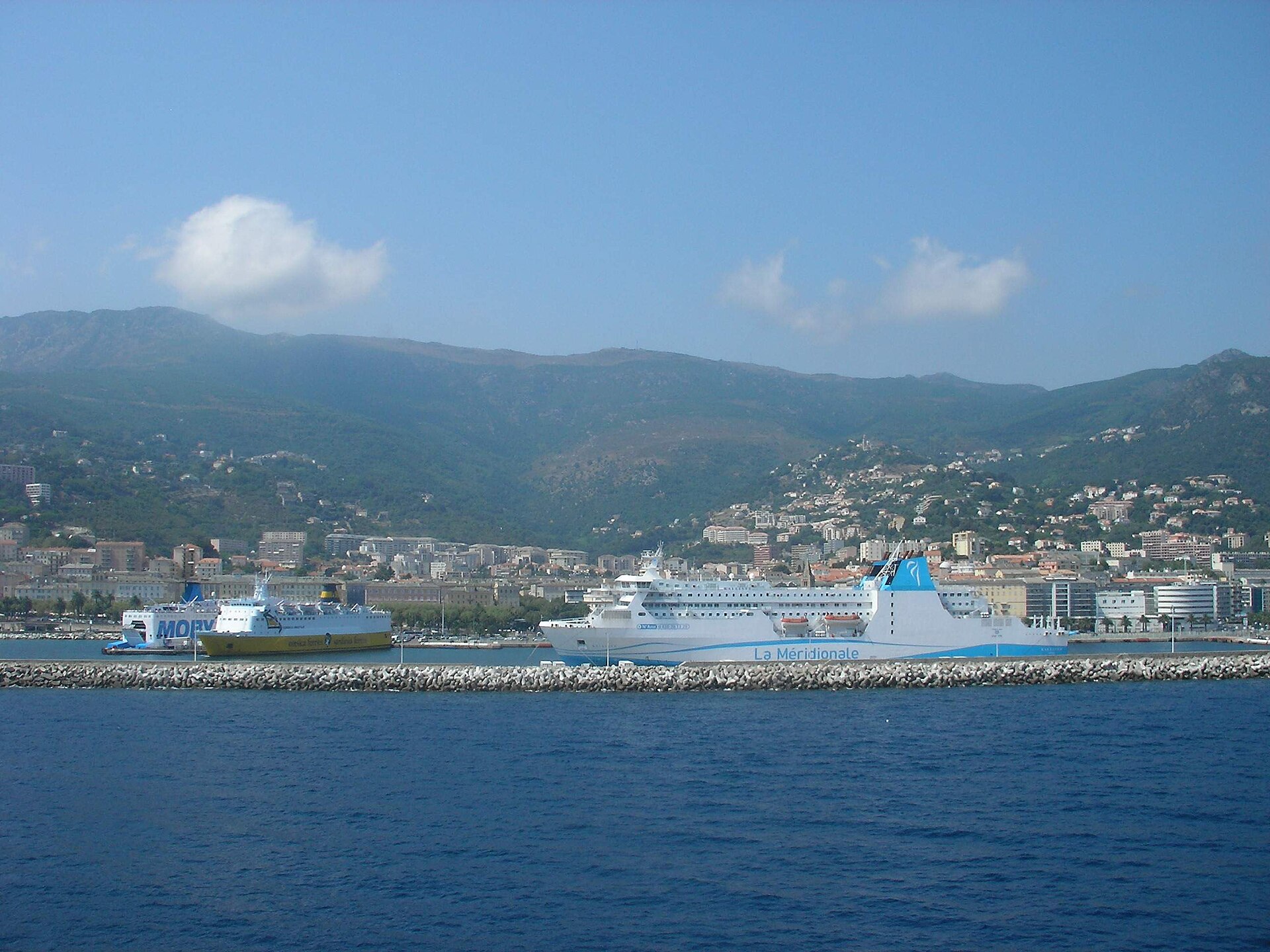
Genoa, Livorno, Civitavecchia, and Naples anchor Italy's ferry network. Sardinia receives overnight services from multiple mainland ports, with cabins recommended for the longer crossings to Cagliari or Olbia. Corsica connects through Nice, Toulon, and Savona, offering dramatic approaches to Bastia and Ajaccio through mountainous island coastlines.
The Adriatic links Italy with Croatia, Montenegro, and Albania. Split, Dubrovnik, and Bari form a triangle of popular routes that surge in popularity as Croatian tourism has grown. These sailings combine transport with sightseeing — the approach to Dubrovnik's walled old town from the sea is among Europe's great maritime arrivals.
Greece and the Aegean archipelago
No region rewards ferry travel quite like Greece. Piraeus, the port of Athens, dispatches vessels to the Cyclades, Dodecanese, and Crete throughout the year, with frequency multiplying in summer. Island-hopping by ferry remains the definitive Greek travel experience: schedules published weekly, connections between islands requiring careful planning but delivering unmatched access to villages unreachable by air.
High-speed catamarans slash journey times but limit outdoor deck space and vehicle capacity. Conventional ferries move slower yet offer open decks, restaurants, and the social atmosphere that defines Greek island travel. Weather cancellations occur most often in winter when strong meltemi winds affect the Cyclades.
Peak Mediterranean ferry traffic runs from late May through September. Shoulder months in April and October often bring calmer decks and shorter queues at vehicle check-in, though some island services reduce frequency outside summer.
Eastern Mediterranean connections
Turkey's Aegean coast connects with Greek islands through routes such as Bodrum–Kos and Çeşme–Chios. Cyprus receives limited but steady ferry interest, while Lebanon and Israel have historically hosted passenger services though political conditions affect availability. Travelers exploring the eastern basin should verify current schedules directly with operators, as routes in this region change more frequently than in western Europe.
Planning considerations for Mediterranean passengers
Language diversity is part of the journey: announcements may cycle through Italian, French, Spanish, Greek, and English depending on the operator and route. Onboard dining ranges from cafeteria-style service to full restaurants featuring regional cuisine — fresh seafood on Adriatic crossings, meze on Greek routes. Cabin standards vary by operator tier; overnight sailings between Italy and Greece or Spain and Morocco benefit significantly from reserved accommodation.
Independent travelers should build buffer time into itineraries. A missed connection due to weather or delay is manageable with flexible plans but stressful when flights depart the same evening. The Mediterranean rewards patience: treat the crossing as part of the destination, not merely transit between airports.