Ferries and cruise ships share the medium of ocean travel but serve fundamentally different purposes. Confusing the two leads to mismatched expectations — the spartan efficiency of a transport ferry disappoints travelers seeking entertainment programming, while cruise ship pace frustrates those who simply need to reach the other shore. This comparison clarifies how each vessel type operates and which suits specific travel goals.
Primary purpose and route structure
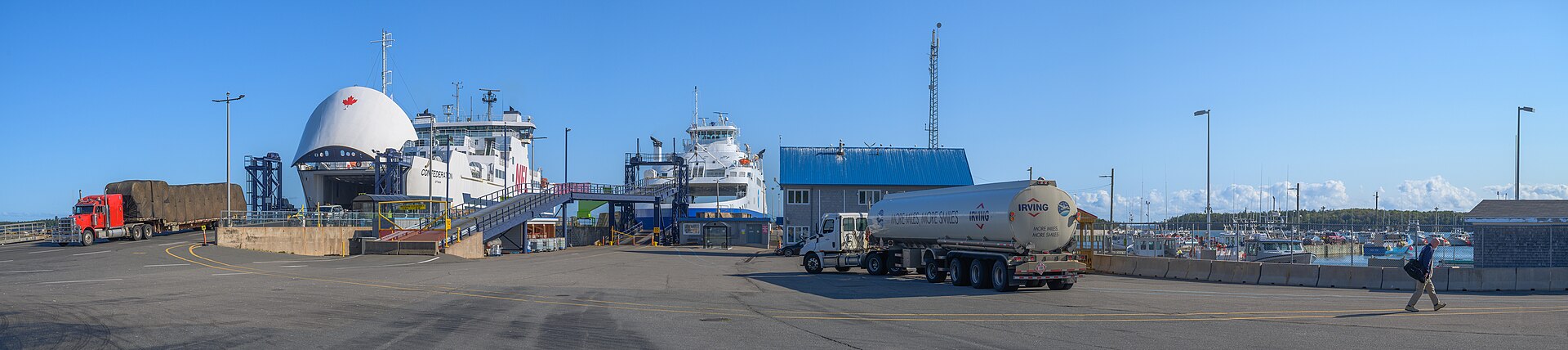
Ferries exist to move passengers and vehicles between two points as efficiently as practical. Routes repeat on schedules — sometimes multiple daily departures — connecting ports separated by water. The crossing is means to an end; most passengers have destinations ashore that motivate their journey. Cruise ships, conversely, follow itineraries where ports punctuate sea days designed as integral experience. The ship is hotel, restaurant, and entertainment venue; ports are excursions from the floating base.
This distinction shapes everything from cabin design to crew training. Ferry crews optimize turnaround time in port. Cruise crews optimize guest satisfaction ratings across multi-day voyages without mandatory disembarkation.
Duration and passenger demographics
Ferry crossings range from thirty minutes to two nights for most routes; exceptionally, multi-day ferries connect remote archipelagos. Passenger turnover is constant — nearly everyone aboard disembarks at the destination. Cruise voyages span three nights to world-cruise months, with the same passengers remaining throughout. Demographics reflect these patterns: ferries carry commuters, truck drivers, families visiting relatives, and tourists combining transport with adventure. Cruises attract vacationers seeking packaged leisure, though expedition cruises draw adventure-focused demographics.
Amenities and onboard atmosphere
Large ferries on major routes — Baltic overnight ships, Mediterranean flagships — approach cruise-like amenities without cruise-like programming. Restaurants, shops, and entertainment exist, but structured activities are minimal. Passengers entertain themselves. Cruise ships schedule dozens of daily events: shows, lectures, fitness classes, pool games, and themed dinners. The atmosphere is actively curated rather than passively provided.
Formal dress codes appear on traditional cruise lines; ferries maintain casual dress throughout. Dining on ferries is cafeteria or restaurant choice without assigned seating rotations. Cruise main dining rooms assign tables and meal times, creating social structures ferries lack.
A ferry delivers you to a destination; a cruise ship makes the ship your destination. Neither is superior — they solve different travel problems and attract different expectations.
Vehicles, cargo, and practical function
Ferries routinely carry cars, trucks, motorcycles, and bicycles on vehicle decks — a function cruise ships do not replicate. Freight and commercial traffic share space with tourists on many routes, grounding the experience in working maritime economy. Watching trucks roll aboard reminds passengers that this is functioning infrastructure, not floating resort.
Choosing the right vessel for your journey
Select ferries when you need to reach a specific destination across water, especially with a vehicle. Select cruises when extended time at sea with curated entertainment and multiple port visits defines your vacation. Hybrid travelers exist: island-hopping Greek ferries feel cruise-like in summer; repositioning cruises resemble long ferry crossings with better food. Understanding the distinction ensures the ocean journey matches what you actually want from the experience.