Ferry operators offer a wider range of accommodation than many first-time passengers expect. At one end, airline-style recliners in shared lounges; at the other, balcony suites with lounge access and priority disembarkation. Understanding what each tier includes — and what it omits — prevents disappointment and helps match spending to actual needs.
Deck passage and recliner seats
The most economical option grants access to public areas without assigned sleeping space. Passengers bring sleeping bags and claim lounge chairs, much like airport overnighting. Recliner seats — often in dedicated quiet zones — provide adjustable backs and sometimes blankets for a modest surcharge. These suit budget travelers on shorter crossings or those who sleep easily in semi-public environments.
Privacy is minimal. Noise from late-night walkers and early risers is inevitable. Charging outlets may be scarce in lounge areas; arrive early to secure seats near power sources. For routes under four hours, deck passage is reasonable; beyond six hours, fatigue accumulates without horizontal rest.
Inside and outside cabins
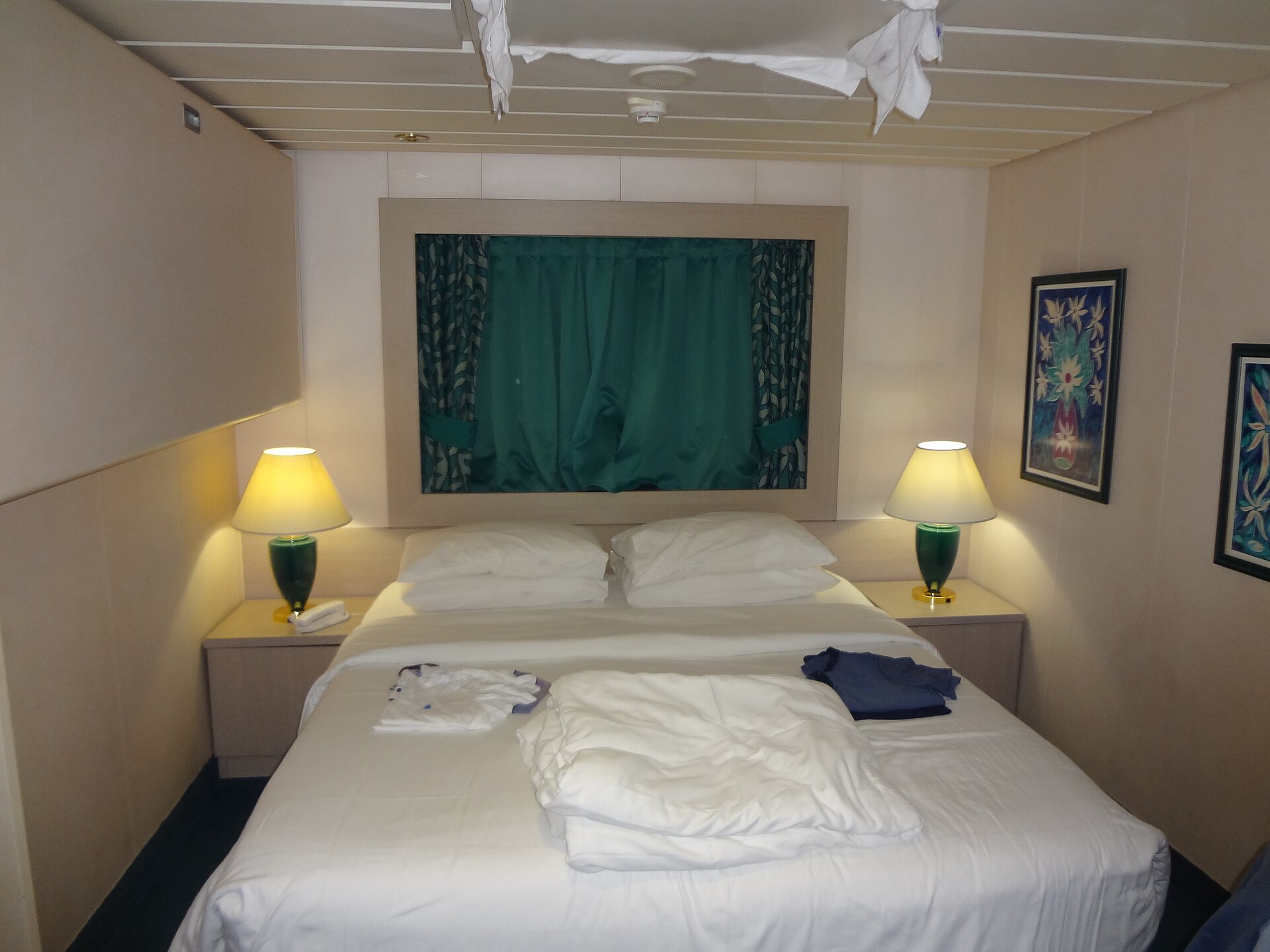
Standard cabins contain two to four berths — pull-down beds or fixed bunks — with a small desk, closet, and private bathroom on most modern vessels. Inside cabins lack windows, creating complete darkness advantageous for light-sensitive sleepers. Outside cabins feature portholes or larger windows; premium outside cabins may include seating areas beneath the window.
Berth configuration matters for groups: twin beds suit couples; four-berth cabins work for families or friends traveling together. Solo travelers are sometimes assigned shared cabins with strangers at reduced rates — confirm privacy expectations before selecting this option. Gender-segregated shared cabins appear on some operators' Asian routes but are rare in European ferry networks.
Premium, comfort, and suite categories
Higher tiers add square footage, double beds instead of bunks, minibar facilities, bathrobes, and priority boarding. Suites on Baltic and Mediterranean flagships may include balconies, living areas, and access to exclusive lounges serving complimentary breakfast. The price differential can be substantial — evaluate whether amenities justify cost for your specific crossing length.
Business-class cabins on some operators include workstation desks, enhanced Wi-Fi, and express disembarkation. These target corporate travelers on regular routes rather than tourists, but the quiet environment appeals to anyone valuing uninterrupted rest.
On crossings under six hours, deck passage or recliner seats suffice for most travelers. Overnight routes of eight hours or more justify cabin investment — sleep quality dramatically affects the next day's travel.
Accessibility and special requirements
Modern ferries include wheelchair-accessible cabins with roll-in showers and wider doorways. Request these at booking — inventory is limited. Pet-friendly cabins allow animals in designated rooms with easy deck access for walks; policies vary sharply between operators and national regulations. Families with infants benefit from cots available on request and cabins located near changing facilities.
How to choose the right tier
Match accommodation to crossing duration, your sleep sensitivity, and group composition. A couple on a twelve-hour overnight from Stockholm to Helsinki gains substantially from an outside double cabin. Friends on a three-hour afternoon hop between Greek islands need only deck passage. Consider motion sensitivity: lower-deck, mid-ship cabins move less than upper-deck bow rooms — sometimes more important than window versus no window.
Read recent passenger descriptions for your specific vessel, not just the operator's marketing. Ship age affects cabin condition significantly; a premium cabin on a newly built ferry may outperform a suite on a vessel entering its fourth decade of service. The right choice balances comfort, budget, and the particular character of the route you are sailing.