An overnight ferry crossing transforms travel from a cramped hour in the air to a full evening and morning at sea. First-time passengers often arrive uncertain about boarding procedures, cabin etiquette, and how to structure their hours onboard. This guide walks through the complete journey so you can focus on the experience rather than the unknowns.
Before you reach the terminal
Arrive at the ferry terminal earlier than you would for a domestic train. Vehicle passengers typically check in ninety minutes before departure; foot passengers should allow forty-five minutes minimum, longer during peak season. Have booking confirmation, passport, and vehicle registration accessible. Many terminals offer online check-in that generates a barcode, speeding the process at kiosks or staffed counters.
Pack a small overnight bag separate from checked luggage if you have a vehicle. Foot passengers carrying large suitcases should confirm whether the operator provides cabin delivery or expects self-transport through corridors and elevators. A compact bag with essentials — toiletries, change of clothes, medications, chargers — simplifies the first hour onboard.
Boarding and finding your space
Boarding announcements direct passengers to gangways by cabin category or ticket type. Once aboard, locate your cabin or recliner seat before exploring the ship. Cabins unlock with key cards similar to hotels; inside cabins lack windows while outside cabins offer portholes or picture windows. If your cabin feels stuffy, ventilation controls are usually near the door — ask crew if controls are unfamiliar.
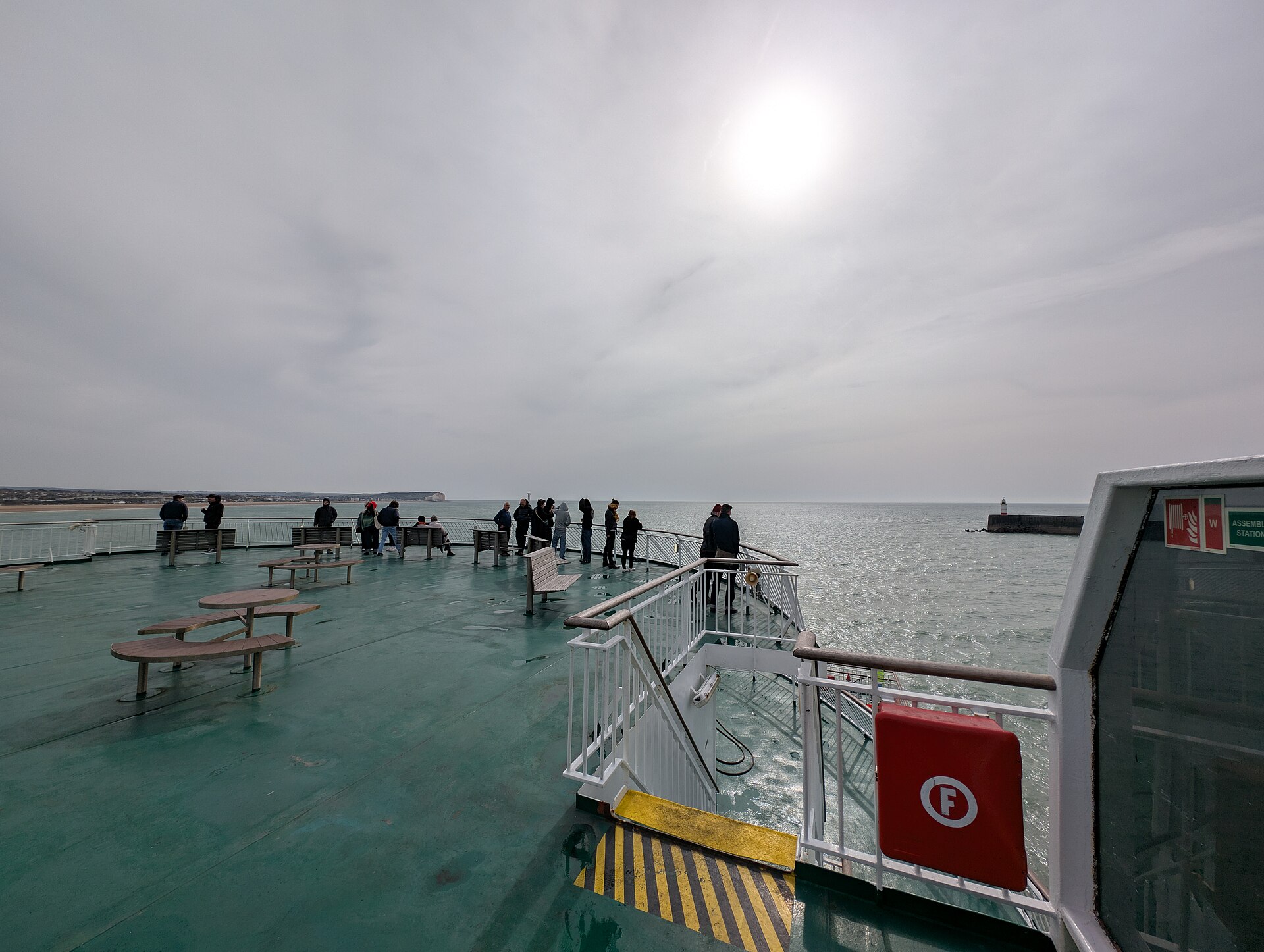
Public decks remain open until weather or safety protocols close them. The departure period offers the best views: city lights receding, harbor infrastructure sliding past, open water appearing on the horizon. Walk the ship early to identify restaurants, restrooms, and emergency exits relative to your cabin.
Dining schedules and onboard meals
Buffet restaurants on larger ferries operate on fixed hours with peak crowds immediately after departure. À la carte dining requires reservations on some vessels — inquire at the reception desk upon boarding. Breakfast typically serves from 6:00 to 9:00, aligning with morning arrival. Missing breakfast is common for passengers who planned a full night's sleep; cafés often sell pastries and coffee for lighter options.
Special dietary needs should be communicated at booking or upon boarding. Major operators stock vegetarian options as standard; vegan and gluten-free meals may need advance notice. Tap water aboard European ferries is potable; bringing a refillable bottle reduces plastic waste and saves money.
Most overnight ferries schedule arrival for early morning. Set an alarm — disembarkation begins quickly, and foot passengers who linger over breakfast may face long queues at immigration or train connections.
The rhythm of a night at sea
Ships quiet gradually after the initial departure excitement. Families retreat to cabins; bar activity continues on entertainment-focused vessels. Engine vibration and hull motion become background sensation — most passengers adapt within an hour. Light sleepers benefit from earplugs; cabin location mid-ship and lower deck reduces motion compared to bow or stern extremes.
Shower facilities in standard cabins are compact but functional. Towels are provided; toiletries may not be. The shower-before-bed routine mirrors hotels but with the added sensation of water moving with the ship's roll — secure the bathroom door and use handholds.
Morning arrival and disembarkation
Crew announcements wake passengers roughly an hour before docking. Return to your cabin to pack, vacate by the stated time, and proceed to designated assembly areas. Vehicle passengers return to the car deck for staged driving disembarkation; foot passengers exit through gangways into the destination terminal.
Immigration and customs depend on the route. Intra-Schengen sailings may involve no formalities; international crossings require passport presentation. Have documents accessible and electronics charged for digital forms where required. Your first overnight ferry sets a template — subsequent crossings feel familiar, and many travelers soon prefer the sea over the airport for journeys under twelve hours.