The Baltic Sea connects eight nations through one of the world's most integrated ferry networks. Capitals that appear distant on land — Stockholm and Helsinki, Tallinn and Stockholm — lie within a comfortable overnight sailing. For travelers exploring northern Europe, these crossings combine efficient transport with a genuine maritime experience through archipelagos, ice-edged winters, and endless summer twilight.
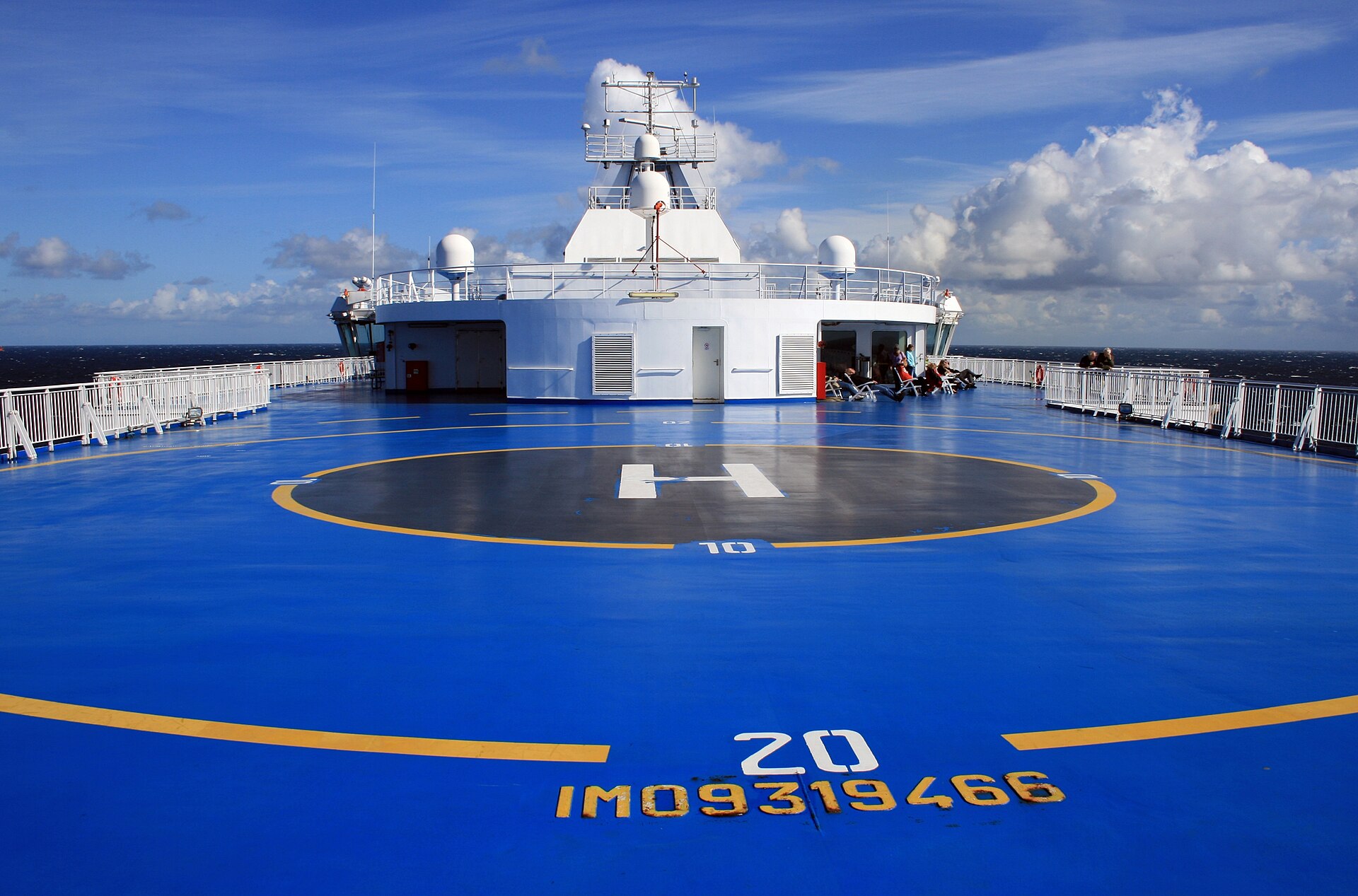
Stockholm–Helsinki: the flagship corridor
The overnight link between Sweden and Finland represents Baltic ferry travel at its most polished. Departures from Stockholm's Stadsgården or Värtahamnen and Helsinki's South Harbor typically sail in the evening and arrive after breakfast, maximizing time ashore. These vessels function as floating hotels: multiple restaurants, shops, entertainment venues, and cabin categories from inside berths to balcony suites.
Passengers without vehicles board via foot passenger terminals separate from car decks. Luggage handling is self-service with trolleys available dockside. Immigration procedures for EU citizens are minimal, though passport checks may occur depending on current regulations.
Tallinn connections and the Helsinki triangle
Estonia's capital sits just two hours by fast ferry from Helsinki, making day trips feasible and encouraging a triangular itinerary through the Gulf of Finland. Tallinn–Stockholm overnight services provide an alternative entry to Sweden without backtracking through Finland. The medieval old town visible from the approach makes arrival memorable — cobblestone spires rising above the harbor cranes.
Latvia and Lithuania connect through fewer direct passenger ferries; most travelers reach Riga or Klaipėda via road or rail from Tallinn or Stockholm. Klaipėda offers access to the Curonian Spit, a UNESCO-listed sand peninsula best reached by combining ferry and local transport.
Onboard culture and amenities
Baltic ferries occupy a unique position between transport and leisure. Finnish and Swedish passengers treat weekend sailings as social occasions — dinners in à la carte restaurants, duty-free shopping, and late-night entertainment on larger ships. Solo travelers find the atmosphere welcoming; communal tables in buffet restaurants encourage conversation.
Dietary accommodations have improved substantially: vegetarian, vegan, and allergen-aware options appear on most major operators' menus. Saunas on Finnish-flagged vessels are authentic and popular — a cultural experience worth scheduling before arrival if your cabin deck includes spa facilities.
Baltic routes rarely cancel for weather, but winter crossings can be lively. Lower decks and mid-ship cabins experience the least motion when winds strengthen over the Gulf of Finland.
The Åland Islands and tax-free status
Vessels passing through Åland territorial waters maintain special tax-free shopping privileges, which shapes the onboard retail experience. Mariehamn, the Åland capital, welcomes ferries stopping en route or originating from the islands. The archipelago itself — Swedish-speaking, autonomously governed, scattered across thousands of islands — rewards multi-day exploration by inter-island ferry and bicycle.
Practical notes for Baltic travelers
Currency aboard depends on the operator: euros dominate on Finland–Estonia routes, while Sweden–Finland sailings may price in Swedish kronor, euros, or both. Payment cards are universally accepted. Wi-Fi is typically available though satellite connections slow in open sea.
Booking early secures preferred cabin categories during Midsummer, Christmas, and school holiday periods. Foot passengers enjoy the greatest flexibility; vehicle space requires advance reservation during summer peaks. Regardless of season, the Baltic offers one of Europe's most reliable and comfortable ferry environments — a region where sea travel never stopped being the natural way to move between neighbors.