Scandinavia and the North Atlantic offer ferry routes where the crossing itself rivals any destination ashore. Sheer fjord walls, scattered archipelagos, midnight sun glow, and fishing villages accessible only by sea define a network fundamentally different from high-traffic Mediterranean corridors. This guide highlights the most scenic and culturally rich routes for travelers who choose northern waters.
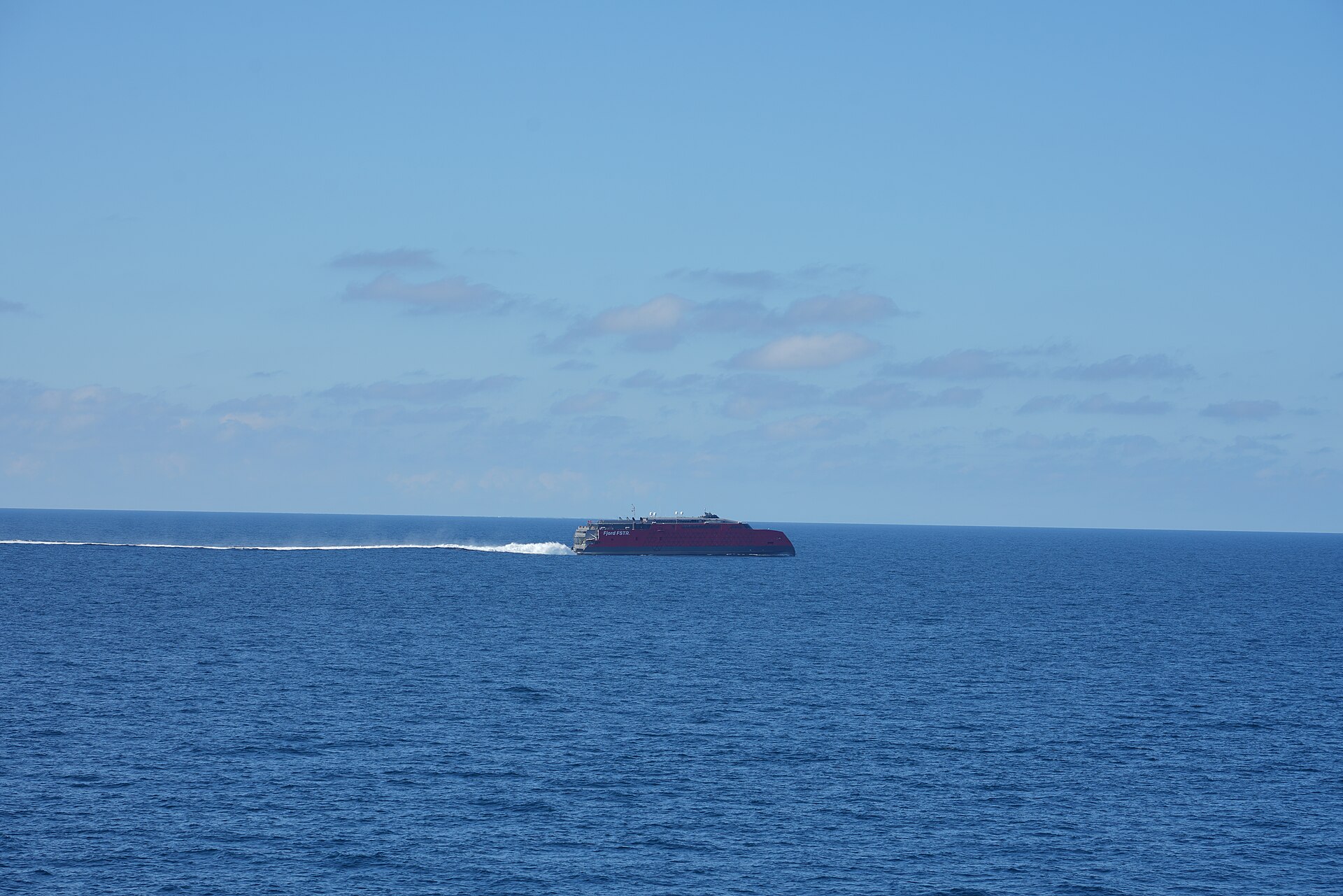
The Norwegian coastal voyage
Norway's fractured coastline — over eighty-three thousand kilometers when fjords and islands are included — makes ferries essential infrastructure. The coastal express route between Bergen and Kirkenes serves thirty-four ports over six days, functioning as local bus service and scenic voyage simultaneously. Passengers board and disembark at will; the full journey reveals Arctic progression from temperate southwest to Barents Sea north.
Shorter fjord crossings connect communities separated by water where road detours would consume hours. Geiranger, Nærøyfjord, and Lysefjord ferry approaches provide perspectives impossible from land. Winter sailings offer northern lights potential; summer brings midnight sun and waterfalls cascading directly into fjord waters.
Sweden's archipelago and Öresund
Stockholm's archipelago contains roughly thirty thousand islands, with scheduled ferries reaching communities throughout. Waxholmsbolaget and other operators run services ranging from commuter routes to full-day island hopping. The approach to Stockholm through skerries — granite islands dotted with red summer cottages and pine forest — ranks among Scandinavia's finest maritime entries.
The Öresund strait between Denmark and Sweden carries high-frequency ferries before the bridge dominated traffic; Helsingør–Helsingborg services continue for foot passengers and those preferring the twenty-minute sea crossing. The historic dimension — Hamlet's castle visible from the deck — adds cultural depth to a practical connection.
Denmark, Faroe Islands, and North Atlantic links
Danish island ferries connect Jutland with Fanø, Samsø, and Bornholm in the Baltic. Bornholm's position between Sweden and Poland creates routing options through multiple ferry corridors. Further north, the Faroe Islands depend entirely on sea connections — the ferry between Tórshavn and smaller islands reveals grass-roofed villages in North Atlantic isolation.
Iceland receives sporadic passenger ferry interest; Smyril Line connects Denmark, Faroe, and Iceland on multi-day North Atlantic crossings that attract adventurous travelers accepting rough seas for remote destination access.
The Norwegian coastal express combines local transport with tourism — ports are frequent, scenery is constant, and the full Bergen–Kirkenes voyage spans six days of continuous coastal navigation.
Seasonal considerations in northern waters
Peak scenic value arrives between May and September when daylight extends and weather stabilizes. Shoulder seasons offer fewer tourists and dramatic storm-light photography for those accepting occasional cancellations. Winter sailings require warm clothing for deck viewing but reward with aurora borealis on clear Arctic nights. Ice rarely blocks Norwegian coastal routes due to Gulf Stream influence, though individual fjord services may suspend during extreme conditions.
Planning a scenic Scandinavian ferry itinerary
Combining routes creates memorable journeys: Oslo to Bergen by train, Bergen to Kirkenes by coastal express, flight south from northern Norway. Alternatively, Stockholm archipelago day trips layer onto Baltic overnight crossings for a two-country maritime week. Foot passengers enjoy maximum flexibility; rental cars extend reach from ferry ports into hinterlands poorly served by rail. Scandinavia rewards travelers who measure journeys in nautical miles and treat every hour on deck as the point of traveling at all.